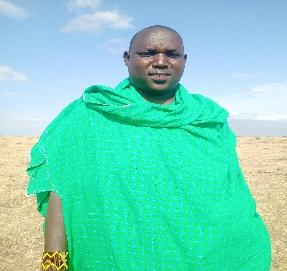
Leading Change in Loondolwo Village. The Story of Keton Ngairugoi – Village Chairperson, Loondolwo
My name is Keton Ngairugoi, and I have the honour of serving as the Village Chairperson of Loondolwo, a pastoralist community located in Longido district, northern Tanzania. Like many rural areas in our region, Loondolwo has long faced a series of persistent challenges, including water scarcity, the spread of invasive plants species (weeds), limited access to healthcare, and food insecurity, among many challenges. But I have always believed that when a community is united by shared purpose and knowledge, no challenge is insurmountable.
Our journey toward transformation began with the Pastoral Women’s Council (PWC) and their support in our village for the development of a Climate Action Plan (CAP). PWC empowered us with practical training, technical guidance, and participatory planning approaches that helped the community recognize its own strength and agency in addressing local problems caused by the adverse effects of climate change.
One of the most urgent challenges we faced was water scarcity. Women and children were walking long distances, often in intense heat, to fetch water. As a result, children missed school, and families lost time that could have been spent on other productive activities. Rather than wait passively for outside support, I called a village meeting. Inspired by PWC’s emphasis on climate-focused community engagement, I encouraged the community to take action and find a solution to this water scarcity issue.
We resolved to raise funds locally to install a durable water pipeline system using galvanized steel (GS) pipes. Every household contributed what they could. With collective effort and coordination, we successfully constructed a pipeline that now delivers water much closer to our homes. The impact has been profound: access to water has improved hygiene, increased school attendance, and freed up time for income-generating activities.
Another significant threat we faced was the encroachment of invasive plant species/ weeds, which had been worsening due to climate change. These weeds degrade pastures and directly threaten pastoralism, which is our livelihood and survival. After receiving climate change education and environmental resilience training from PWC, we understood the urgency of taking action to restore and protect our ecosystem.
Once again, I mobilized the community. “This land feeds us,” I reminded them. Armed with hoes, pangas, and machetes, our village members voluntarily cleared over 321 hectares of grazing land that had been overtaken by invasive weeds. Today, that land has regenerated. The grass is returning, livestock are healthier, and the confidence in our pastoralist livelihood has been renewed.
We have also addressed food insecurity, especially during extended drought seasons. Through PWC’s training, we learned climate-resilient economic strategies, such as selling livestock early, when they are healthy and searching for market prices that are favorable, to secure income for my household. This income can then be used to purchase livestock feed and household food when the supply is low and prices rise. This forward-thinking approach has protected many families from hunger and promoted better resource planning across households and the community generally.
The journey of Loondolwo is one of resilience, self-reliance, and collective action. Through knowledge, unity, and determination, we are transforming our village to meet the challenges of climate change head-on. I am proud of the practical steps we have taken, and even more proud of the spirit of my people, who are committed to building a stronger, more secure future with their own hands.